Quick answer
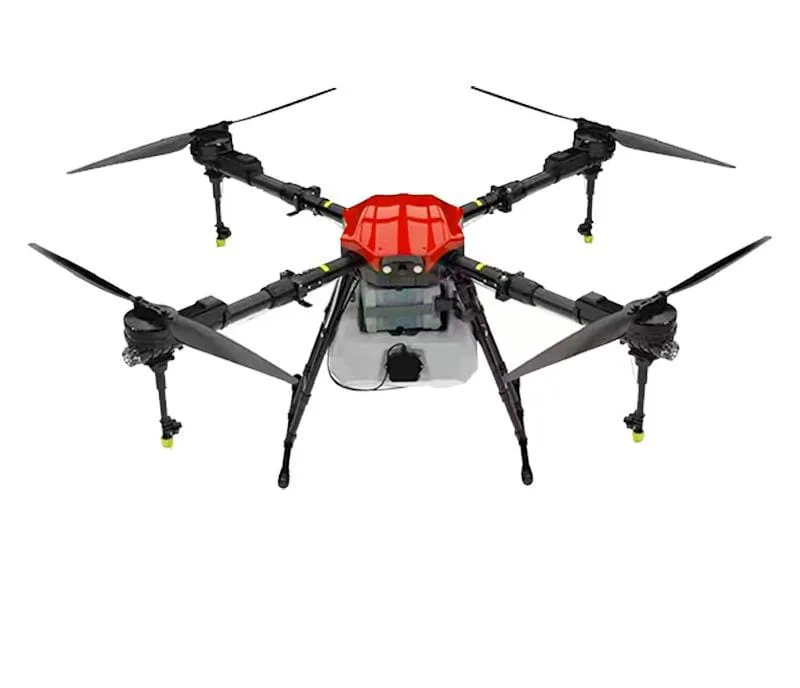
Agriculture drones are commonly rented with an operator (pay per day or per acre) or, for certified pilots, as a dry rental for a day, a week or a full season. A rental agreement should cover the drone's registration, battery sets, insurance, damage responsibility, maintenance and breakdown replacement. Renting suits seasonal or uncertain demand; buying suits large, regular workloads.
Key takeaways
- With-operator rental is easiest — no pilot certificate needed on your side.
- Dry rental requires your own certified pilot and clear damage terms.
- Agree in writing who pays for crashes, spare parts and lost days.
- Seasonal rental is a good trial before buying.
Common rental models
Rental with operator
The provider supplies the drone, batteries and a certified pilot. You pay per day or per acre. This is the simplest option and very similar to a spraying service, but booked for a longer block of time.
Dry rental (drone only)
You take the drone and batteries and fly with your own certified pilot. This needs a clear agreement on damage, insurance, maintenance and return condition.
Seasonal rental
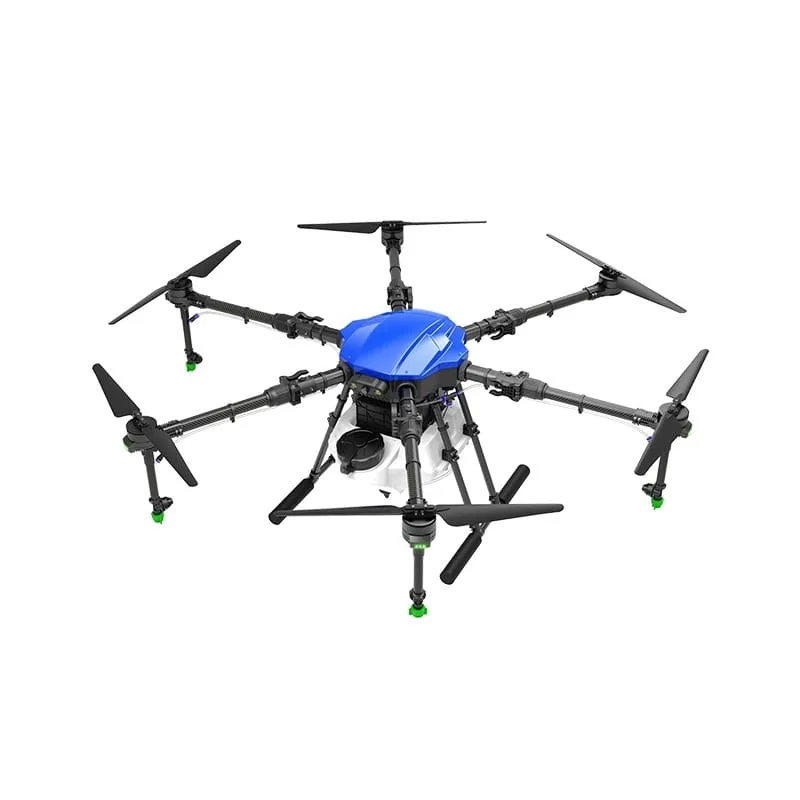
An FPO or CHC rents a drone for the whole kharif or rabi season, often with maintenance support. It gives assured availability at peak time.
Who rental is right for
- FPOs and cooperatives testing a drone service for members
- Custom Hiring Centres with seasonal demand
- Large farms with a short, intense spraying window
- Entrepreneurs who want to build demand before buying
Renting vs buying — a quick comparison
| Point | Renting | Buying |
|---|---|---|
| Upfront cost | Low | High |
| Availability at peak | Must book early | Always available |
| Maintenance | Usually the provider's job | Your responsibility |
| Pilot | Can be included | Your own certified pilot |
| Best for | Seasonal or uncertain demand | Regular, large workloads |
What a rental agreement should cover
- Drone model, UIN registration and type certificate (opens in a new window)
- Number of battery sets, charger and generator
- Rental period, rate and what counts as a working day
- Insurance cover and who pays for damage or crashes
- Maintenance, spare parts and breakdown replacement
- Pilot certification (for dry rental) and operating rules
- Security deposit and return condition
How to decide
Estimate how many acres you will spray in a season and how many days the drone will actually work. If the drone would sit idle most of the year, renting or hiring a service is usually smarter. If demand is steady across seasons and crops, buying may pay off. Call us and we will help you work through the numbers.
Pre-rental inspection checklist
Before taking a rented drone, inspect it with the provider and note its condition in writing. This avoids disputes when you return it.
- Check the frame, arms and landing gear for cracks or repairs
- Spin each motor and inspect propellers for chips or bends
- Run the pump and check every nozzle for blockages and leaks
- Check each battery's cycle count, health and charge level
- Confirm the UIN, firmware version and app login work
- Do a short test flight before signing
Running a rental drone profitably
If you are renting a drone to offer spraying to other farmers, plan your bookings before the rental starts. Idle rental days cost money. Line up group bookings by crop and stage, keep a spare battery set if possible and confirm product availability with farmers in advance.
Track every day: acres sprayed, batteries used, travel and any downtime. After one season, these numbers will show clearly whether buying a drone would pay off for your business.
Rental red flags
- The provider cannot show the drone's UIN or type certificate
- No written agreement, or damage terms are vague
- Batteries with very high cycle counts or swollen cells
- No support number or backup drone during the season
Rental for FPOs and CHCs
For FPOs and Custom Hiring Centres, renting is a low-risk way to launch a drone service for members. Run one season on rent, record demand and costs, and use that evidence when applying for any scheme support or a bank loan to buy your own drone.
Frequently asked questions
Can I rent an agriculture drone without a pilot?
Only if you have your own pilot with a Remote Pilot Certificate. Otherwise, rent with an operator.
How is drone rental charged?
Usually per day, per acre or for a season, depending on the provider and whether an operator is included.
Who pays if the rented drone is damaged?
This must be written in the agreement. Insurance and damage terms vary, so clarify before taking the drone.
Is renting cheaper than buying?
For seasonal or low use, renting is usually cheaper. For large, regular workloads, buying may cost less per acre over time.
How early should I book a seasonal rental?
As early as possible before the season, because demand peaks at the same time for everyone.
How do I ask about rental?
Call or WhatsApp 8282802150 with the period, area, crops and whether you need an operator.
What documents do I need to rent a drone?
Usually identity and address proof, a signed rental agreement and, for dry rental, your pilot's Remote Pilot Certificate. Some providers also take a security deposit.
Is insurance included in drone rental?
It depends on the provider. Ask whether third-party liability and damage to the drone are covered, and get it in writing.
Can I rent a drone just for one day?
Some providers offer daily rental, usually with an operator. Single-day dry rental is less common because of set-up, training and damage risk.
About this guide
- Written by
- Kisan Drone team, Noida. We work with farmers, FPOs and drone operators on spraying, buying and training questions.
- Reviewed by
- Mohit Singh, Drone Operator — 10 years of drone-spraying experience
- Last updated
How we write
We do not publish invented prices, subsidy amounts, yields or reviews. Rules and schemes are checked against official sources, and anything that depends on your crop, product or location is marked as such. Found an error? Email enquiry@kisandrone.co.in.