Quick answer
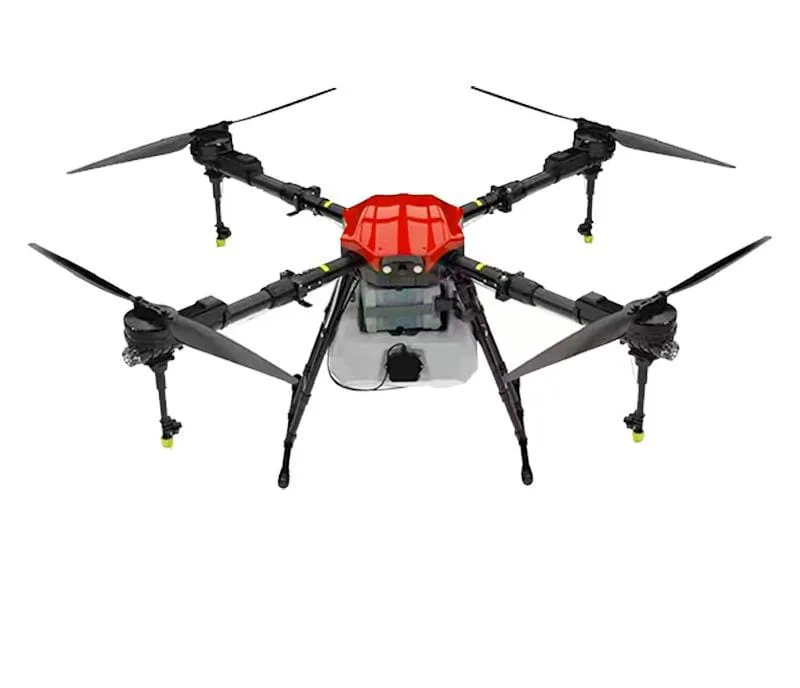
Drone spraying for vegetables works for crops like tomato, brinjal, chilli, okra, cabbage and cucurbits when the product is approved for drone use and the plot layout allows safe flight. Key cautions are drift onto neighbouring vegetables, strict pre-harvest intervals during continuous picking and small, obstructed plots. Group spraying of neighbouring vegetable fields improves efficiency.
Key takeaways
- Best on contiguous vegetable blocks rather than tiny isolated plots.
- Drift onto neighbouring vegetables must be controlled carefully.
- Continuous harvesting makes pre-harvest intervals critical.
- Use only products approved for drone use on that vegetable.
Why drones can help vegetable growers
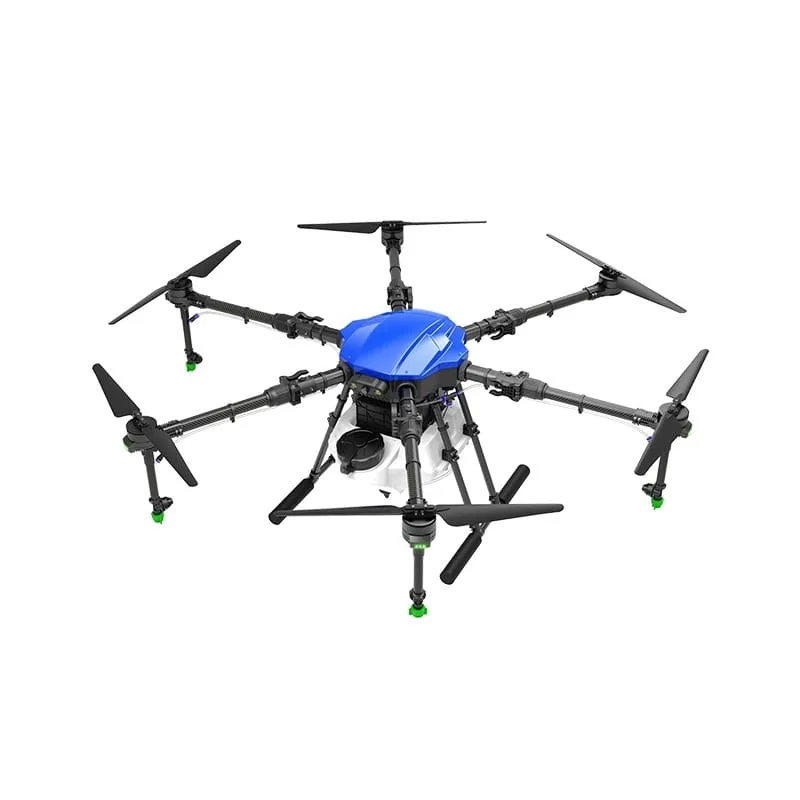
Vegetables often need sprays every one to two weeks against pests like fruit borers, whiteflies, thrips and mites, and diseases such as blights and mildews. Spraying by hand in dense, sticky crops exposes workers to chemicals repeatedly. Drones reduce that exposure and can finish small blocks quickly, especially when neighbouring farms are sprayed together.
Possible uses by crop
| Crop | Common targets |
|---|---|
| Tomato | Fruit borer, whitefly, early and late blight |
| Brinjal | Fruit and shoot borer, sucking pests |
| Chilli | Thrips, mites, fruit rot |
| Okra | Jassids, whitefly, fruit borer |
| Cabbage and cauliflower | Diamondback moth, aphids |
| Cucurbits | Fruit fly, powdery and downy mildew |
Special care in vegetables
Drift onto neighbouring crops
Vegetable plots are often next to other vegetables or crops ready for harvest. Coarser droplets, low height, calm weather and buffers help keep spray on target.
Pre-harvest intervals
Many vegetables are picked every few days. Plan sprays so the label's pre-harvest interval is respected before the next picking.
Small and obstructed plots
Plots surrounded by trees, poles, sheds or wires can be hard to fly safely. Sometimes a manual sprayer is the better choice for these.
Farmer preparation
- Confirm the pest or disease and a drone-approved product
- Plan spraying right after a picking to respect harvest intervals
- Inform neighbours, especially those about to harvest
- Mark obstacles around small plots
- Coordinate with nearby vegetable growers for group spraying
Making drones work in vegetable clusters
Vegetable belts near towns often have many small farms growing similar crops. When farmers coordinate — choosing the same day, sharing water points and agreeing the spray order — a drone can cover the whole cluster efficiently. FPOs and vegetable grower groups can organise such schedules, making drone spraying practical even for small holdings.
Residue-safe vegetables
Consumers and buyers increasingly care about pesticide residues. Use only approved products, the right dose and timing, and keep records of sprays. Even, accurate application by drone — combined with integrated pest management like traps and resistant varieties — helps produce residue-safe vegetables.
Drone vs manual spraying in vegetables
| Situation | Better option |
|---|---|
| Contiguous vegetable blocks | Drone |
| Tiny plot surrounded by trees or sheds | Manual sprayer |
| Crop at picking stage next door | Manual, or drone with wide buffers and calm weather |
| Labour shortage at peak season | Drone |
Planning sprays around picking
For continuously harvested vegetables like tomato, okra and chilli, plan sprays immediately after a picking. Choose products whose pre-harvest interval fits before the next picking. Mark the spray date in your notebook and inform pickers, so nobody harvests too early. This simple routine protects consumers and your market reputation.
Integrated pest management in vegetables
Drones work best as part of integrated pest management. Use pheromone and sticky traps to monitor pests, remove infested fruits and shoots, use resistant varieties where available and spray only when needed. When a spray is required, a drone helps apply it quickly and evenly across the cluster, reducing time and exposure.
Questions to ask before booking
- Is this product approved for drone (opens in a new window) use on my vegetable?
- How will drift onto neighbouring crops be controlled?
- When is my next picking, and does the pre-harvest interval fit?
- Can neighbouring growers be sprayed the same day?
Frequently asked questions
Can drones spray vegetable crops?
Yes, for many vegetables, if the product is approved for drone use and the plot allows safe flight.
Is drone spraying practical on small vegetable plots?
It works best when neighbouring plots are sprayed together. Tiny, obstructed plots may be better sprayed manually.
How do I avoid drift onto my neighbour's vegetables?
Use coarser droplets, low height, calm weather and buffers, and coordinate spraying times with neighbours.
Can I harvest vegetables right after drone spraying?
No. Follow the pre-harvest interval on the product label before picking.
Which vegetables are commonly sprayed by drone?
Tomato, brinjal, chilli, okra, cabbage, cauliflower and cucurbits, among others — always with approved products.
Is drone spraying safer for vegetable growers?
It reduces direct exposure during spraying. PPE is still needed while mixing and filling.
How do I book vegetable drone spraying?
Call or WhatsApp 8282802150 with your crop, area, location and the product.
Can drones spray polyhouse or net-house vegetables?
Generally no. Drones are designed for open fields; protected structures need ground or fixed spraying systems.
Can drones spray creeper vegetables on trellises?
It depends on the structure. Low trellises in open fields may be possible with careful height planning; tall or covered structures usually are not.
What does drone spraying cost for vegetables?
It depends on area, plot layout, location and grouping with neighbours. Call 8282802150 for a written quote.
About this guide
- Written by
- Kisan Drone team, Noida. We work with farmers, FPOs and drone operators on spraying, buying and training questions.
- Reviewed by
- Mohit Singh, Drone Operator — 10 years of drone-spraying experience
- Last updated
How we write
We do not publish invented prices, subsidy amounts, yields or reviews. Rules and schemes are checked against official sources, and anything that depends on your crop, product or location is marked as such. Found an error? Email enquiry@kisandrone.co.in.