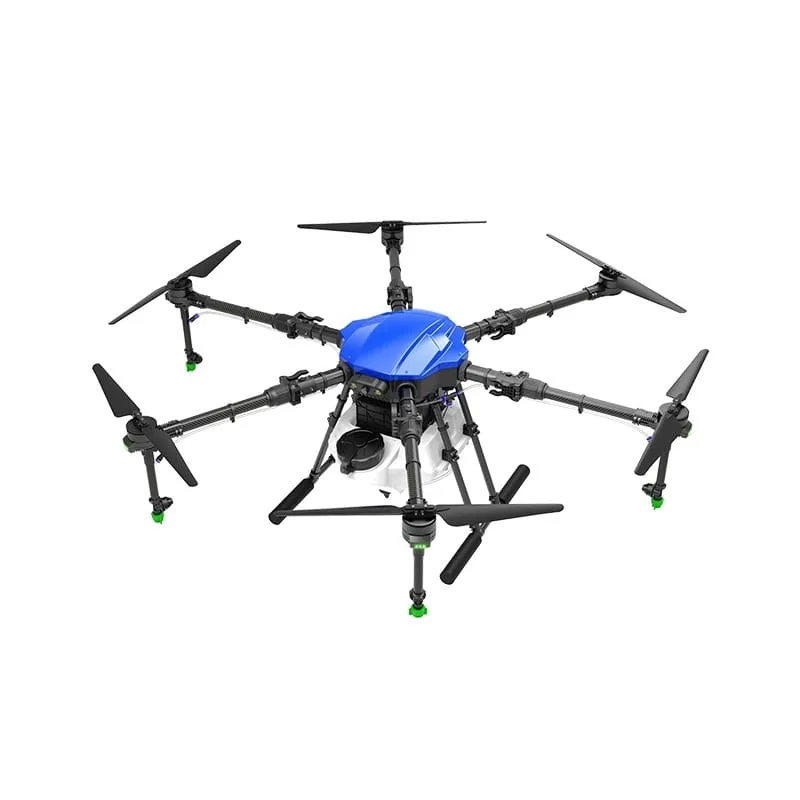
Quick answer
Drone spraying for paddy lets you apply approved pesticides, fungicides and liquid nutrients such as nano urea over flooded fields without walking in. It is used from tillering to grain filling against pests like stem borer, leaf folder and planthoppers and diseases such as blast and sheath blight. Use drone-approved products, calm weather and buffer zones near water bodies.
Key takeaways
- No need to enter flooded fields — no trampling or wading.
- Common uses: insect and disease control and nitrogen top-up at key stages.
- Keep buffer zones near ponds, canals and fish farms.
- Group bookings across neighbouring paddy fields reduce cost.
Why drones suit paddy fields
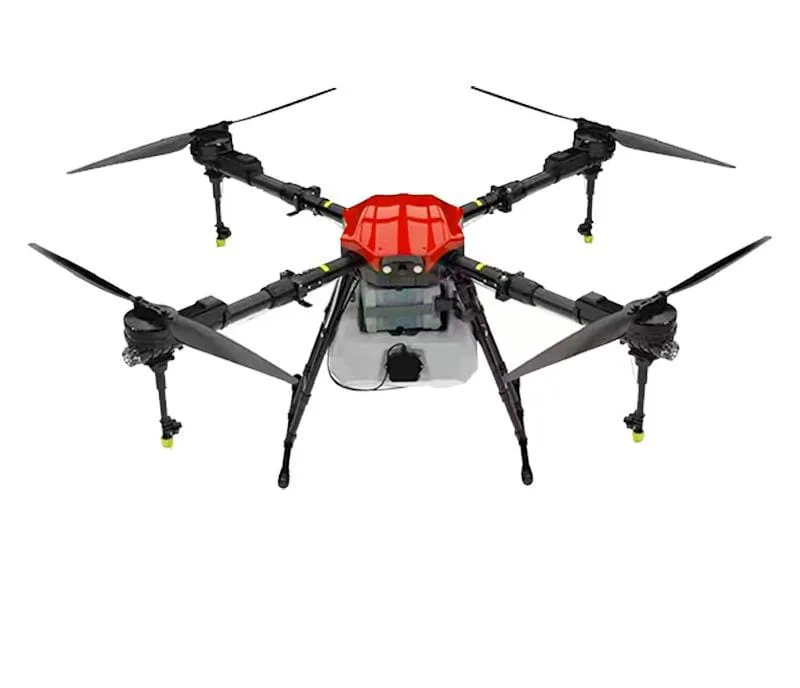
Paddy is grown in standing water for much of its life. Every time someone walks in with a sprayer, plants are disturbed and the work is slow. Labour is also hardest to find during peak transplanting and protection periods. A drone flies over the canopy, sprays evenly along GPS-planned rows and finishes in a fraction of the time.
Because the pilot stands on the bund, there is far less direct contact with chemicals — a real benefit in hot, humid paddy seasons when wearing full PPE in the field is difficult.
Possible uses by crop stage
| Stage | Common targets | Notes |
|---|---|---|
| Tillering | Stem borer, leaf folder; nitrogen top-up | Even coverage over a young canopy |
| Panicle initiation | Nutrient sprays, leaf and sheath diseases | Timely application matters |
| Booting to flowering | Blast, sheath blight, planthoppers | Avoid bee-active hours where relevant |
| Grain filling | Late pests and diseases | Check pre-harvest interval on label |
Special care in paddy
Water bodies and fish
Paddy fields often sit next to canals, ponds and fish farms. Keep buffer strips, avoid spraying when wind blows towards water, and never rinse the tank in a water source.
Planthoppers at the base
Brown planthoppers live near the base of the plant. Ask the pilot about height, droplet size and speed to help spray reach lower in the canopy, and follow product advice.
Wind over open water
Open, flooded fields can be windy. Early morning is often calmest; stop if drift is visible.
Farmer preparation checklist
- Confirm the pest or disease with your KVK (opens in a new window) or agronomist
- Buy a product approved for drone use on paddy and keep its label
- Arrange clean water near the field for mixing
- Mark bunds, power lines, trees and nearby fish ponds
- Inform neighbours and coordinate if they need the same spray
- Keep a dry, flat spot on the bund for take-off and landing
Nano urea and nutrient sprays in paddy
Liquid nitrogen such as nano urea is often sprayed on paddy at tillering and panicle initiation. A drone makes this practical over flooded fields. Follow the manufacturer's recommended dose and stage, and remember that foliar nutrition supplements — not replaces — your basal fertiliser plan. If you want to combine a nutrient with a pesticide in one visit, do a jar test for compatibility first.
Booking a paddy drone spray
Share your village, total paddy area, crop stage and the product you plan to use. In peak weeks, many farmers need the same spray at the same time, so book early and consider a group booking with neighbouring fields. Group bookings save travel and set-up time and usually lower the cost per acre for everyone.
Drone vs manual spraying in paddy
| Point | Drone | Knapsack / manual |
|---|---|---|
| Entering the field | Not needed | Walking through water and mud |
| Crop damage | None from trampling | Plants disturbed along paths |
| Water carried to field | Much less per acre | Much more |
| Operator exposure | Lower — stays on the bund | Higher |
Frequently asked questions
Can a drone spray paddy fields with standing water?
Yes. That is one of its biggest advantages — the drone sprays from above, so there is no need to walk into flooded fields.
Which paddy pests can be controlled with drone spraying?
Drones can apply approved products for common pests such as stem borer, leaf folder and planthoppers, and diseases like blast and sheath blight, as advised by an agronomist.
Can nano urea be sprayed on paddy by drone?
Yes, nano urea is commonly sprayed by drone at tillering and panicle initiation. Follow the manufacturer's dose and timing.
Is drone spraying effective against brown planthopper?
With the right product, height, droplet size and speed, drones can help. Because planthoppers sit at the base, settings and timing are important.
How do I protect fish ponds near my paddy field?
Keep a buffer strip, spray when wind blows away from the pond and never rinse the tank in a water source.
When is the best time to spray paddy by drone?
Calm early mornings or late afternoons, avoiding strong wind, rain and very hot hours.
What is the cost of drone spraying in paddy?
It depends on area, field layout, distance and the product. Call 8282802150 for a written quote.
How do I book paddy drone spraying?
Call or WhatsApp 8282802150 with your village, area, crop stage and product details.
Can a drone spread granules in paddy fields?
Some drones accept a spreader attachment for granules. Check if the model supports it and whether the granule product is suitable for aerial application.
About this guide
- Written by
- Kisan Drone team, Noida. We work with farmers, FPOs and drone operators on spraying, buying and training questions.
- Reviewed by
- Mohit Singh, Drone Operator — 10 years of drone-spraying experience
- Last updated
How we write
We do not publish invented prices, subsidy amounts, yields or reviews. Rules and schemes are checked against official sources, and anything that depends on your crop, product or location is marked as such. Found an error? Email enquiry@kisandrone.co.in.