Quick answer
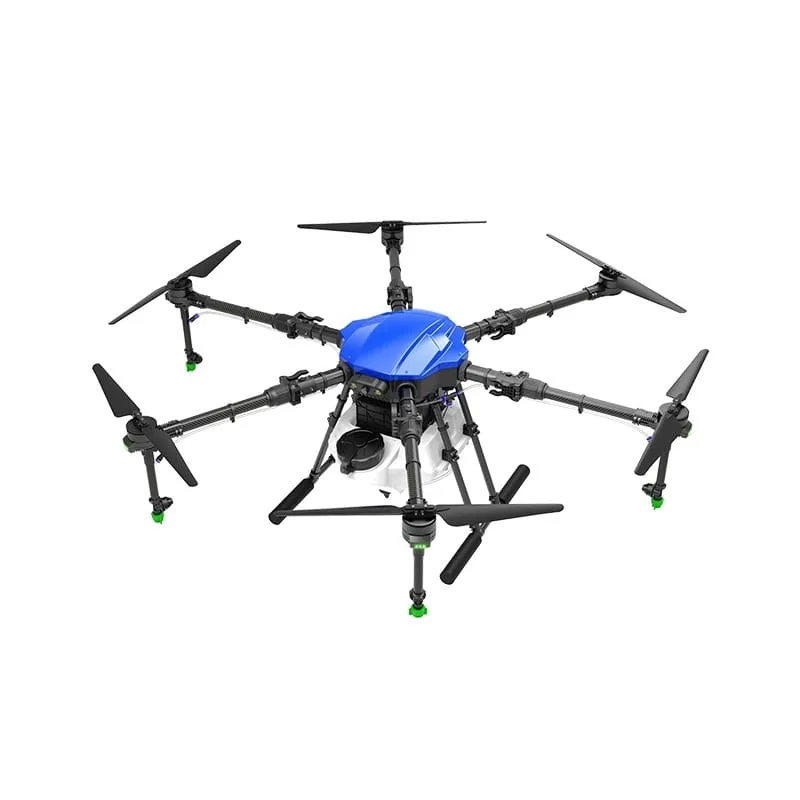
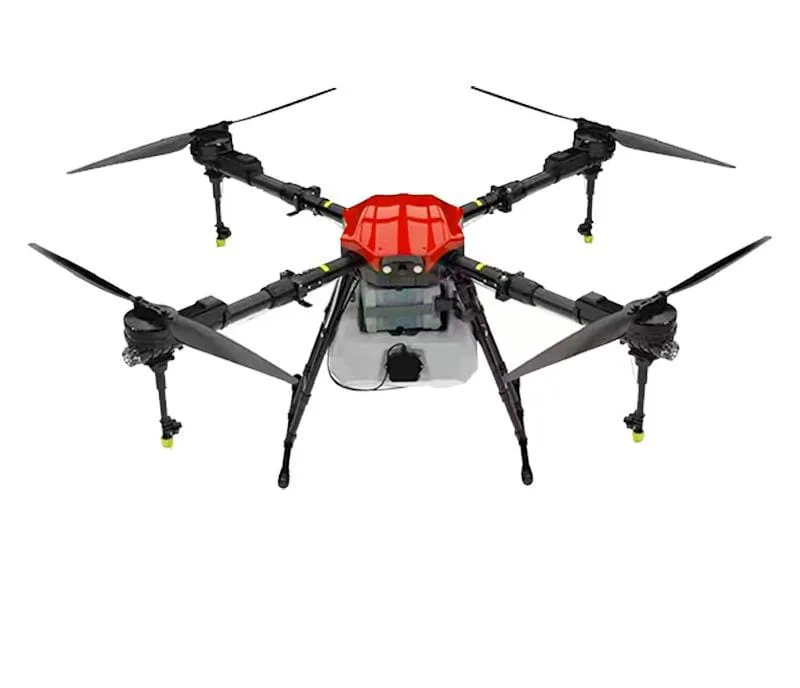
Drone spraying for grapes can apply approved fungicides against downy and powdery mildew and other diseases, and approved insecticides, while reducing workers' exposure. Vineyards need precise route planning (often RTK), careful height control above trellises and wires, attention to canopy coverage and strict adherence to pre-harvest intervals and export residue limits. A field visit or demo should come first.
Key takeaways
- Mildew control sprays are a major use in vineyards.
- Trellis wires and posts need precise routes and careful height.
- Export residue limits make product choice and timing critical.
- Start with a demo on a section of the vineyard.
Why vineyards are different
Vineyards have rows of vines trained on trellises, with wires, posts and sometimes overhead structures. The canopy is vertical rather than flat, and bunches hang inside the foliage. These features affect how spray reaches the target and how safely a drone can fly.
Grape growers also follow strict residue standards, especially for export. Every spray must fit into a planned schedule with product approval, dose and pre-harvest intervals carefully tracked.
Possible uses
| Target | Notes |
|---|---|
| Downy mildew | Timely protection in humid weather is critical |
| Powdery mildew | Coverage on both leaf surfaces and bunches |
| Anthracnose and other diseases | Follow local disease forecasting advice |
| Insect pests such as thrips and mealybugs | Penetration into the canopy and bunches |
Special care in grapes
Route planning and RTK
Precise routes along rows reduce waste and avoid obstacles. RTK positioning helps drones follow rows accurately and repeat routes each spray.
Height and obstacles
Keep safe clearance above trellis wires, posts and any nets. A detailed field survey and map before the first flight are essential.
Coverage inside the canopy
Use water-sensitive cards inside the canopy and near bunches to check coverage. Adjust speed, height and droplet size to improve results.
Residues and records
Follow pre-harvest intervals strictly and keep detailed records of every spray. Export buyers may ask for spray records.
Farmer preparation
- Share your spray schedule and the products planned
- Provide a vineyard map with rows, wires and structures
- Confirm product approval for drone use on grapes
- Arrange water and a clear take-off area
- Plan a demo on a small block first
When a drone may not be the best tool
Very dense canopies, vineyards under nets or structures, and situations needing extremely precise targeting of bunches may still be better served by ground sprayers such as air-blast machines. Many growers use drones alongside ground equipment, choosing the right tool for each spray.
Using maps for better vineyard spraying
A mapping or multispectral survey of the vineyard can show weak vines, gaps and disease hotspots. Combining these maps with drone spraying routes helps focus effort where it is needed and keep records for each block.
Planning drone sprays around the grape calendar
Grape cultivation follows a pruning-based calendar, with critical disease windows after pruning, during shoot growth, flowering and berry development. Plan which sprays in your schedule can be done by drone and which need ground equipment. Discuss this with your consultant and the drone operator before the season so the right product and method are ready at each stage.
In humid weather when downy mildew risk rises, speed matters. A drone can cover the vineyard quickly, helping you keep protective sprays on time.
Checklist for the first vineyard demo
- Choose a representative block with typical canopy
- Place water-sensitive cards inside the canopy and near bunches
- Fly with water first to check route and clearance
- Compare coverage with your usual method
Export residue requirements
Grape exporters must meet residue monitoring requirements managed through APEDA (opens in a new window). If your grapes are for export, align every drone spray — product, dose and pre-harvest interval — with the current residue monitoring plan and keep complete records.
Frequently asked questions
Can drones spray grapes on trellises?
Yes, with careful route planning, safe height above wires and posts, and coverage checks. A field visit and demo should come first.
Can drones control downy mildew in grapes?
Drones can apply approved fungicides for downy mildew. Timely application and good coverage are key.
Is drone spraying suitable for export grapes?
It can be, if products are approved, pre-harvest intervals are followed strictly and records are kept for residue compliance.
Why is RTK useful in vineyards?
RTK gives precise positioning so the drone follows rows accurately and repeats routes for each spray.
Can drones replace air-blast sprayers in vineyards?
Not always. Many growers use drones for some sprays and ground sprayers for others, depending on canopy and target.
How do I check spray coverage in a vineyard?
Place water-sensitive cards inside the canopy and near bunches and check droplet density after spraying.
Can I get a vineyard visit or demo?
Yes, call 8282802150 to discuss a visit or demo on a block of your vineyard.
Will drone spraying damage grape bunches?
When flown at correct height and speed, the downwash is controlled. Discuss settings for sensitive stages like flowering and berry set with the pilot.
How do I keep spray records for export?
Record the date, block, product, dose, water volume and operator for every spray. Many drone apps also log the route and area sprayed.
Can drones spray vineyards under nets?
Usually not. Nets and overhead structures make drone flight unsafe and block spray. Ground sprayers are generally used in netted vineyards.
Which grape sprays suit drones best?
Timely protective fungicide sprays across the vineyard often suit drones well. Sprays needing very precise bunch targeting may still be better with ground sprayers.
About this guide
- Written by
- Kisan Drone team, Noida. We work with farmers, FPOs and drone operators on spraying, buying and training questions.
- Reviewed by
- Mohit Singh, Drone Operator — 10 years of drone-spraying experience
- Last updated
How we write
We do not publish invented prices, subsidy amounts, yields or reviews. Rules and schemes are checked against official sources, and anything that depends on your crop, product or location is marked as such. Found an error? Email enquiry@kisandrone.co.in.