Information last reviewed: [Add review date] — schemes can change; confirm with the official source before applying.
Quick answer
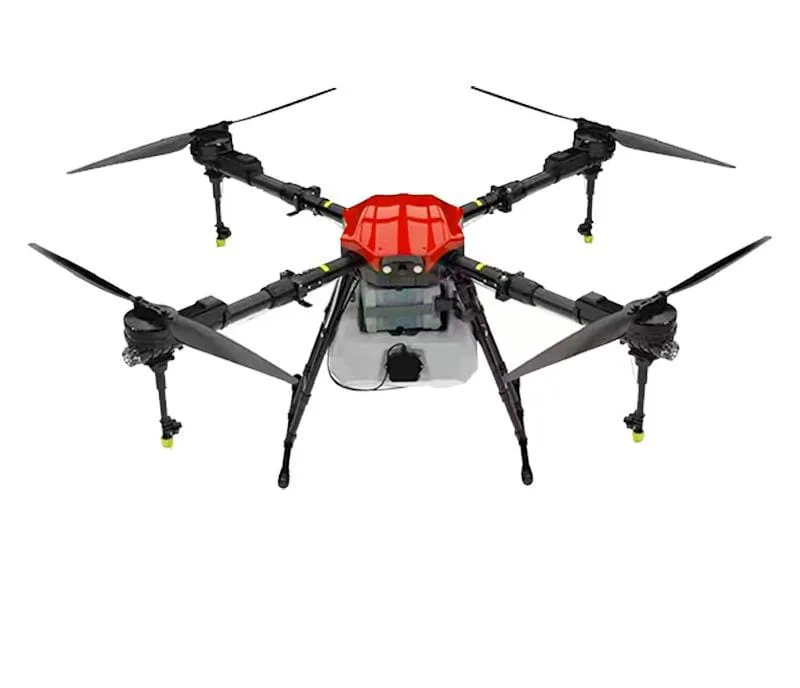
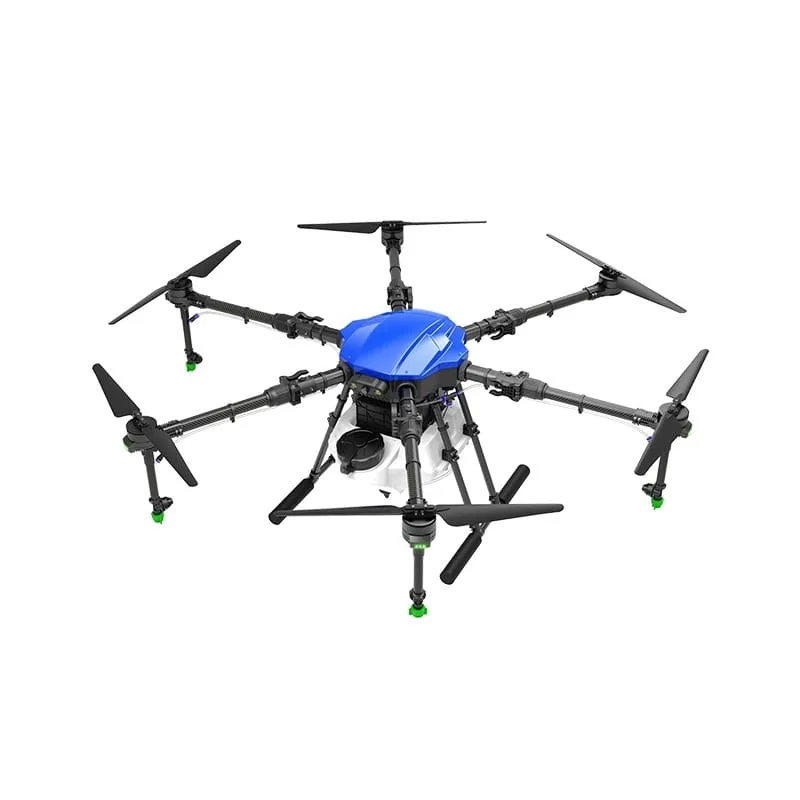
Namo Drone Didi is a central initiative, approved by the Union Cabinet in November 2023, to provide agriculture drones to selected women's self-help groups. SHG members are trained as drone pilots and assistants, and the groups offer drone services — such as nutrient and pesticide application — to farmers on a rental basis. Selection is done by the implementing agencies, not through open individual applications.
Key takeaways
- Targets selected women's SHGs, not individual applicants.
- SHG members are trained as drone pilots and assistants.
- SHGs earn by offering drone services to farmers.
- Verify details with official sources — beware of fake application links.
Aims of the scheme
- Empower rural women with technology and skills
- Create a sustainable income for SHGs through drone services
- Make drone spraying more accessible to farmers
- Promote efficient use of fertilisers and pesticides
Selection and participation
Selection of SHGs is carried out through the designated implementing agencies, working with state rural livelihood missions and other partners. Groups in areas where drone use is economically viable are generally prioritised. Individuals do not usually apply directly through an open portal.
Training
Selected SHG members receive training as drone pilots and drone assistants, including the Remote Pilot Certificate course and agriculture spraying skills.
Support
The package includes the drone and related equipment, with support for operations. Exact components and financial terms are set by the scheme guidelines.
Benefit for farmers
For farmers, Drone Didi means a trained drone operator closer to the village. Farmers can hire SHG drone services for spraying nutrients and pesticides, often during critical crop stages when timely application matters most.
How SHGs can prepare
- Stay in touch with your block or district rural livelihood mission (opens in a new window) office
- Identify members interested in training as pilots or assistants
- Understand local demand for drone spraying by crop and season
- Keep group records, bank accounts and registrations up to date
Beware of fake links
Fraudulent websites and messages sometimes claim to offer “Drone Didi registration” for a fee. Selection is done through official agencies. Do not pay anyone or share personal and bank details on unofficial links. [Write this only if there is a verified link.]
Running a successful SHG drone service
| Factor | Why it matters |
|---|---|
| Booking planning | Group bookings by crop and stage reduce travel |
| Maintenance | Daily cleaning and checks prevent breakdowns |
| Battery care | Protects a major running cost |
| Records | Track acres, income and expenses for the group |
| Safety | PPE, buffer zones and SOP build farmer trust |
Why women's SHGs are a good fit for drone services
Self-help groups already have strong roots in villages, established bank accounts and experience in running small enterprises. They know local farmers personally, which builds trust for a new service like drone spraying. A group structure also helps share tasks — one member flies, another manages bookings, another handles mixing and accounts.
Drone services can also be combined with other SHG activities, giving members a new source of income during peak crop seasons.
Challenges and how groups overcome them
- Seasonal demand: plan bookings early and offer services across crops
- Maintenance: keep a trained member responsible for daily checks
- Battery and charging: arrange reliable power at the field
- Farmer awareness: hold small demonstrations in the village
Impact on rural women and farming
Drone Didi links two goals: better crop protection for farmers and new income and skills for rural women. Women pilots operating high-tech equipment also change perceptions of who can work with technology in agriculture. For farmers, a trusted local service makes timely spraying easier during critical crop stages.
Official sources
These links open government websites in a new window. Website addresses can change.
- Department of Agriculture & Farmers WelfareGuidelines and notices for central schemes(opens in a new window)
- Farm Mechanisation Portal (agrimachinery.nic.in)Information and applications for farm mechanisation schemes(opens in a new window)
- DGCA Digital SkyDrone registration, Remote Pilot Certificate, RPTOs and airspace map(opens in a new window)
- Ministry of Civil AviationDrone rules and notifications(opens in a new window)
- [Your state agriculture department]Add the official link for the state you serve
Frequently asked questions
What is the Namo Drone Didi scheme?
A central initiative to provide agriculture drones to selected women's self-help groups so they can offer drone services to farmers.
When was Namo Drone Didi approved?
The Union Cabinet approved it in November 2023.
Can an individual woman apply for Drone Didi?
Selection is of SHGs through implementing agencies, not open individual applications. Contact your rural livelihood mission office for information.
What training do Drone Didis receive?
Selected members are trained as drone pilots and assistants, including certified pilot training and agriculture spraying skills.
How do Drone Didis earn money?
By offering drone spraying and related services to farmers on a rental or per-acre basis.
How can farmers hire a Drone Didi?
Ask your local SHG, block office or rural livelihood mission whether a Drone Didi service operates in your area.
Is there an online registration for Drone Didi?
Be cautious of websites claiming open registration for a fee. Verify with official agencies before sharing any details.
What services can Drone Didis provide?
Mainly spraying of nutrients and pesticides approved for drone use, and in some cases other agricultural drone services, depending on training and equipment.
Who maintains the drone in a Drone Didi group?
Usually a trained member handles daily care, with support arranged through the scheme or supplier for repairs and servicing.
Does a Drone Didi need a pilot certificate?
Yes. Members who fly the drone are trained to obtain the Remote Pilot Certificate, as required for agriculture drone operations.
Where can I verify Drone Didi information?
From the Ministry of Agriculture and Farmers Welfare, your state rural livelihood mission or the district agriculture office.
About this guide
- Written by
- Kisan Drone team, Noida. We work with farmers, FPOs and drone operators on spraying, buying and training questions.
- Reviewed by
- Mohit Singh, Drone Operator — 10 years of drone-spraying experience
- Last updated
How we write
We do not publish invented prices, subsidy amounts, yields or reviews. Rules and schemes are checked against official sources, and anything that depends on your crop, product or location is marked as such. Found an error? Email enquiry@kisandrone.co.in.