Agriculture Drone Buying Guide: How to Choose, Compare and Buy the Right Drone
Buying an agriculture drone is a major investment, and the wrong choice can cost a whole season. This buying guide does not rank brands. Instead, it walks you through the decisions that matter — size, batteries, certification, service, dealer and total cost — so you can compare any drone on fair terms.
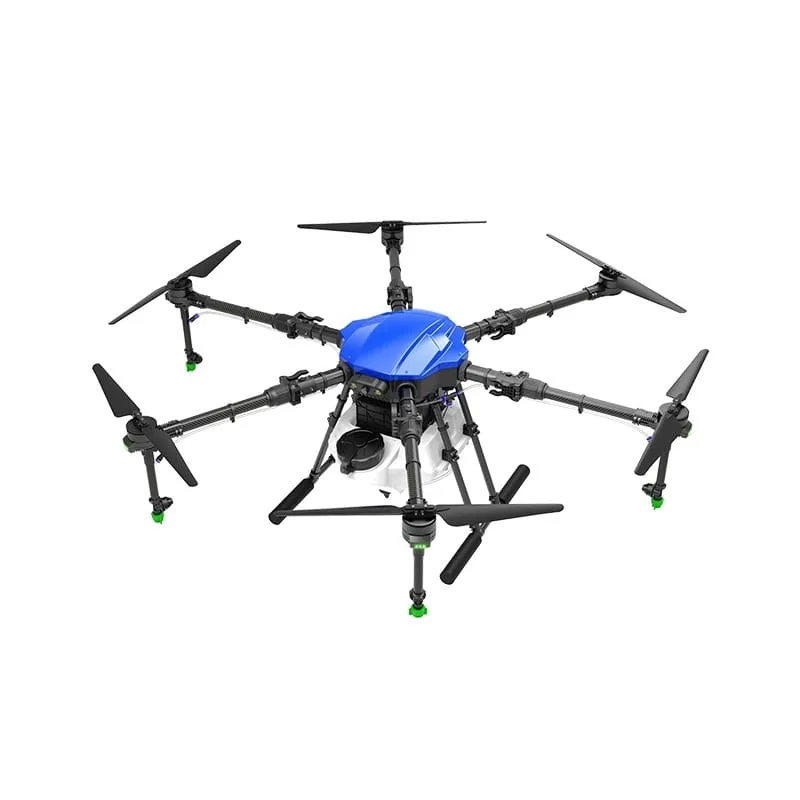
Quick answer
To buy the right agriculture drone, first define your crops, acres, terrain and who will fly it. Then choose a DGCA type-certified model in the right tank class (10, 16 or 20 litre), compare full packages including battery sets, check spare parts and service near you, watch a live demo and get every term — warranty, training, delivery — in writing.
Key takeaways
- Start with your needs, not with brands or prices.
- Tank class should match field size and logistics.
- Batteries, spares and service decide real ownership cost.
- A field demo and customer references beat any brochure.
Pages in this topic
- Best Agriculture Drone in IndiaCriteria, not brands — a checklist for choosing the best drone for you.
- Best Drone for Spraying CropsWhich features matter most in a drone for spraying.
- 10 Litre Agriculture DroneA lighter class of drone for small and scattered fields.
- 16 Litre Agriculture DroneA balanced class for medium-to-large fields and service providers.
- 20 Litre Agriculture DroneA larger class for big, continuous fields and heavy work.
- Buying a Drone with SubsidyThe process and key precautions when buying a drone under a scheme.
- Kisan Drone Dealer Near MeHow to identify a reliable dealer near you and who to contact.
- Agriculture Drone Company in IndiaCriteria for assessing an agriculture drone company.
- Agriculture Drone Battery PriceDrone battery costs, lifespan and care.
- Agriculture Drone Spare PartsCommon spare parts, their upkeep and preparing before the season.
5 questions to ask before buying
- How many acres and which crops will the drone work on each season?
- Who will fly it, and do they have a Remote Pilot Certificate?
- Is the exact model DGCA type-certified (opens in a new window), and will registration be supported?
- If it breaks down mid-season, how quickly will repairs and spare parts arrive?
- Am I eligible for any scheme? (Confirm with official sources before buying)
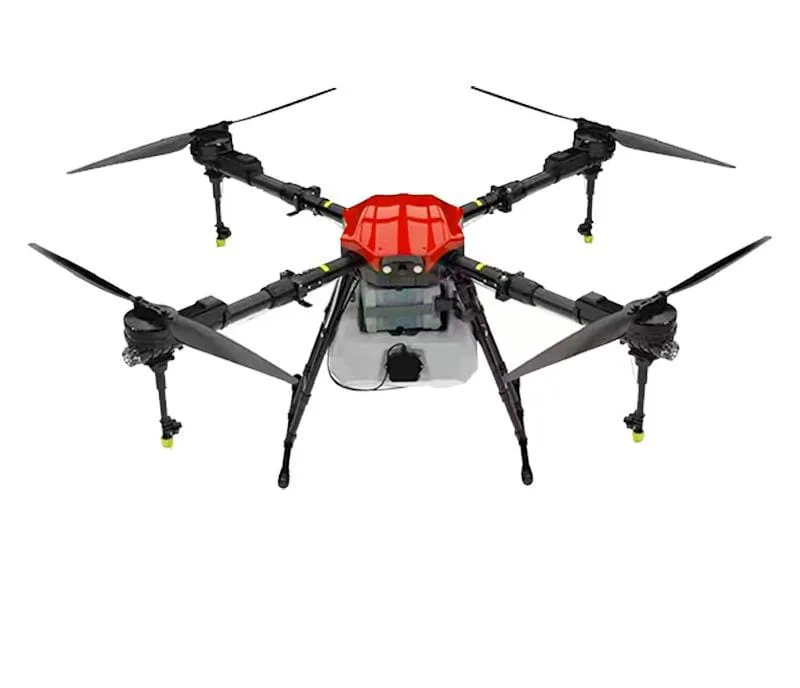
Step 1: Choose the right size
| Class | Best for | Trade-off |
|---|---|---|
| 10 litre | Small, scattered or hilly fields; new operators | More refills per acre |
| 16 litre | Medium-to-large fields; service businesses | Needs solid charging set-up |
| 20 litre | Large continuous fields; sugarcane; FPOs | Heavier, needs more power and transport |
Step 2: Compare the full package
Batteries and charging
Count the battery sets, charger type and generator needed to keep the drone flying continuously.
Spray system and flight features
Check flow control, nozzle type, terrain following, obstacle sensing and the planning app.
Warranty and training
Read what is covered and for how long, and confirm pilot training is included.
Step 3: Judge the dealer and company
Step 4: Calculate total cost of ownership
Add the purchase price, extra batteries, expected battery replacements, spare parts, insurance, pilot cost and transport over three seasons. Divide by the acres you expect to cover. This cost per acre is the fairest way to compare drones — and to decide whether buying beats hiring a service.
Our comparison policy
Common buying mistakes
- Choosing by tank size or price alone
- Ignoring battery sets and charging needs
- Buying an uncertified or unsupported model
- Buying before scheme approval when planning to claim a subsidy
- Skipping the demo and customer references
Buy, rent or hire? A quick decision guide
Before deciding which drone to buy, decide whether to buy at all. If you spray only your own small farm a few times a season, hiring a service is usually cheaper. If you run an FPO, a Custom Hiring Centre or a spraying business with steady demand, ownership can pay off. Renting for one season is a low-risk way to test demand and your team's ability to operate a drone before investing.
Pages in this buying guide
- Best agriculture drone in India and best drone for spraying crops — what to compare
- 10, 16 and 20 litre drones — which size suits your work
- Buying with subsidy — the right order of steps
- Dealers and companies — how to judge them
- Batteries and spare parts — the real running costs
Documents to collect when you buy
Keep these documents together — you will need them for registration, insurance, warranty claims, scheme verification and resale.
- Itemised invoice with the exact model name and serial number
- Type certificate details and UIN registration support
- Warranty card with coverage and exclusions
- Training schedule and pilot onboarding details
- Service centre contacts and escalation numbers
Frequently asked questions
Which is the best agriculture drone in India?
No single drone is best for every farmer. The right choice depends on your area, crop, budget, service network and certification.
Can you tell me the prices of different models?
Yes, we share a written quote once we understand your needs. Call or WhatsApp 8282802150 for prices and availability.
How do I choose between 10, 16 and 20 litre drones?
Consider 10 litre for small, scattered fields, 16 litre for medium-to-large fields and service businesses, and 20 litre for large continuous fields.
What are the yearly costs after buying a drone?
Battery replacement, spare parts, maintenance, insurance and pilot costs — add them together to estimate the total cost.
Do I need a pilot certificate to buy a drone?
Not to buy one, but flying it generally requires a Remote Pilot Certificate from a DGCA-authorised institute.
Should I buy a second-hand agriculture drone?
Be cautious. Check registration transfer, battery health, crash history and whether the manufacturer still supports the model.
Can I see a demo before buying?
Yes, always ask for a demo in a field like yours. Call 8282802150 to discuss demo options.
Is it better to buy or rent a drone?
Renting suits seasonal or uncertain demand; buying suits large, regular workloads. Many FPOs rent first, then buy once demand is proven.
Does the dealer register the drone for me?
Many dealers help with Digital Sky registration paperwork. Confirm in writing what support is included before you buy.
About this guide
- Written by
- Kisan Drone team, Noida. We work with farmers, FPOs and drone operators on spraying, buying and training questions.
- Reviewed by
- Mohit Singh, Drone Operator — 10 years of drone-spraying experience
- Last updated
How we write
We do not publish invented prices, subsidy amounts, yields or reviews. Rules and schemes are checked against official sources, and anything that depends on your crop, product or location is marked as such. Found an error? Email enquiry@kisandrone.co.in.
Sources we rely on
Talk to us today about prices, demos or services
Tell us your crop, area and location. We will explain drone spraying, demo and purchase options.