Quick answer
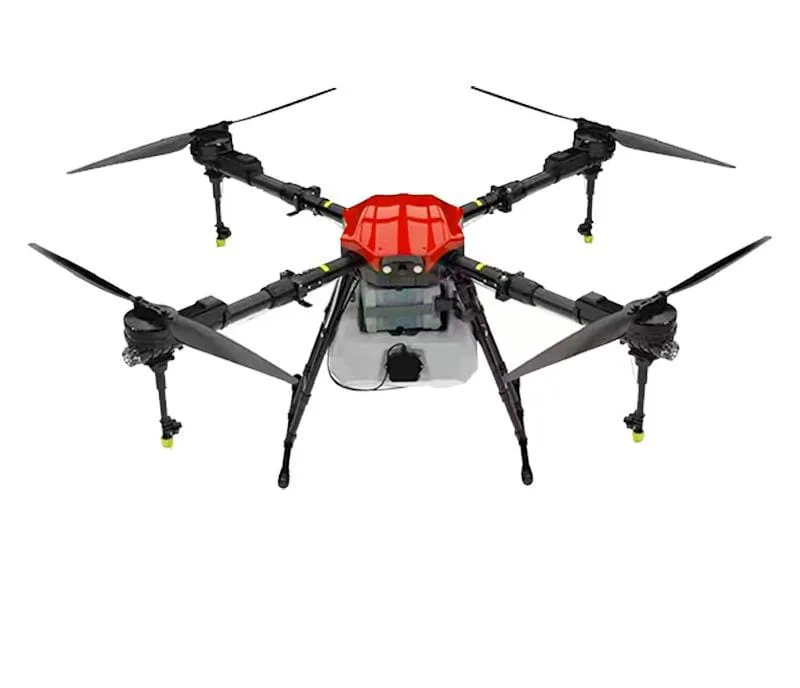
A crop spraying drone should be set differently for each crop and growth stage: lower height and narrower swath for dense or tall canopies, finer droplets for leaf diseases, coarser droplets to reduce drift, and spraying in calm, cool hours. The product must be approved for drone use on that crop, and the label dose always applies.
Key takeaways
- Early stage: less canopy, so drift control matters more than penetration.
- Peak growth: dense canopy needs good downwash, slower speed and correct swath overlap.
- Flowering: avoid bee-active hours and follow label restrictions.
- Always confirm the product is approved for drone application on your crop.
Drone settings by crop stage
Early growth (seedling and vegetative start)
The canopy is small and much of the ground is exposed. Coarser droplets and a steady height reduce drift and keep the spray on the target rows. Herbicide applications at this stage need special care and only approved products.
Active growth and canopy closure
As leaves overlap, the spray must reach inside the canopy. Pilots usually reduce speed, keep a consistent height above the crop and ensure swaths overlap so there are no untreated strips.
Flowering and fruiting
Many fungicide and insecticide sprays happen now. Avoid hours when bees and other pollinators are active, check label pre-harvest intervals and keep buffer zones near water and homes.
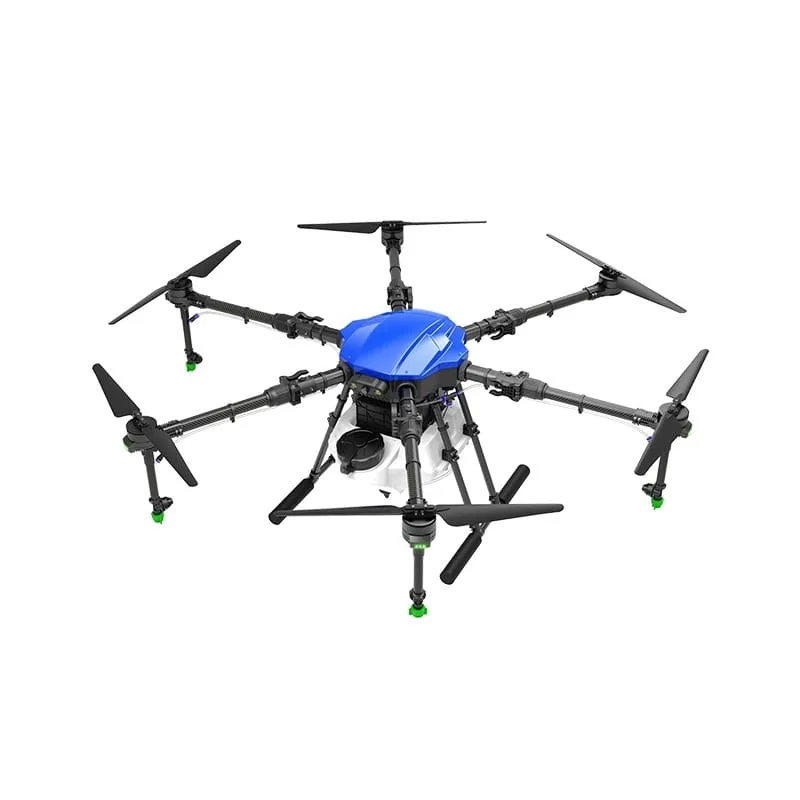
Crops where drones are used most in India
| Crop | Why a drone helps | Watch out for |
|---|---|---|
| Paddy | Flooded fields are hard to walk | Wind over open water, buffer zones |
| Wheat | Large continuous fields, timely sprays | Lodging, dew in early morning |
| Cotton | Tall, dense plants and repeated sprays | Canopy penetration |
| Sugarcane | Ground machines cannot enter tall cane | Height setting over uneven canopy |
| Vegetables | Quick sprays on many small plots | Mixed crops, harvest intervals |
| Orchards | Tree-by-tree spraying | Tree height, gaps between trees |
Weather and timing
- Spray in calm conditions; strong or gusty wind increases drift
- Avoid very hot afternoons when fine droplets evaporate before landing
- Do not spray just before rain unless the label allows it
- Early morning and late afternoon are often the best windows
- Check that dew will not dilute the spray on the leaf
What a farmer should tell the pilot
Good results come from good information. Before the drone takes off, tell the pilot which crop and variety you have, the growth stage, the pest or disease you are targeting, the product and dose recommended to you and any sensitive areas nearby — a pond, a house, beehives or a neighbour's crop that should not be sprayed.
Ask the pilot to explain the planned height, swath and flow rate. A professional operator will be happy to explain and will keep a record you can refer to later.
Planning sprays across the whole season
Drone spraying works best when it is part of a season plan rather than a last-minute call during an outbreak. Many farmers and FPOs now plan two or three drone visits per crop around the stages where protection matters most.
Start with the crop protection schedule your agronomist or KVK (opens in a new window) recommends. Mark which sprays fall at stages where walking the field is hard — flooded paddy after transplanting, tall cotton in mid-season, sugarcane after the canopy closes. These are the sprays where a drone saves the most effort.
Book these dates early with the service provider, especially in peak weeks when every farmer in the area wants the same spray. Grouping neighbouring fields with the same crop and stage on one day reduces travel time and usually lowers the rate per acre.
- List all planned sprays for the crop and their target stage
- Mark the sprays that are hardest to do by hand
- Check product approval for drone use for each spray
- Book the drone visits in advance and keep a flexible weather backup day
Frequently asked questions
Can a drone spray all crops?
A drone can spray most field and orchard crops, but only products approved for drone application should be used, and some very small or obstructed plots are not practical.
At what height should a crop spraying drone fly?
The operator sets height by crop, canopy and product so that spray is even and drift is low. It is usually a few metres above the canopy, adjusted for wind and droplet size.
Is a drone effective in a dense crop canopy?
The downwash from the rotors helps push droplets into the canopy. Slower speed, correct height and proper overlap improve penetration in dense crops.
When is the best time of day for drone spraying?
Calm, cooler hours — usually early morning after dew dries or late afternoon. Avoid strong wind, heat and imminent rain.
Can I spray during flowering with a drone?
Only if the product label allows it, and preferably at times when bees are not active. Follow label instructions strictly.
How do I book crop spraying by drone?
Call or WhatsApp 8282802150 with your crop, growth stage, area and location. We will tell you what is possible and the next steps.
How many times can a crop be sprayed by drone in a season?
As many times as the crop protection schedule requires. The drone is just the application method — the number of sprays depends on pest pressure and agronomic advice.
About this guide
- Written by
- Kisan Drone team, Noida. We work with farmers, FPOs and drone operators on spraying, buying and training questions.
- Reviewed by
- Mohit Singh, Drone Operator — 10 years of drone-spraying experience
- Last updated
How we write
We do not publish invented prices, subsidy amounts, yields or reviews. Rules and schemes are checked against official sources, and anything that depends on your crop, product or location is marked as such. Found an error? Email enquiry@kisandrone.co.in.